What Is IPTV Canada and How Does It Work?
IPTV uses internet delivery instead of traditional broadcast infrastructure, which makes device compatibility, app choice, and setup support especially important.

If you are new to the topic, IPTV can sound more technical than it really is. At its core, IPTV is a way of delivering television and on-demand content over the internet instead of through traditional cable or satellite infrastructure. That basic shift is why IPTV can work across such a wide range of devices, from Smart TVs and Firesticks to phones, tablets, and media boxes.
For Canadian users, IPTV is often attractive because it offers flexible viewing, device choice, and easier access to content libraries within modern player apps. Instead of depending on one fixed piece of hardware, users can set up a compatible app on the screen that fits their routine.
Understanding how IPTV works helps you make better decisions about subscriptions, app selection, and troubleshooting. This guide explains the fundamentals in plain language so you know what to expect before you request a free trial or choose a plan.
How IPTV delivers content
Traditional television systems rely on dedicated broadcast methods such as cable lines or satellite signals. IPTV works differently by using internet delivery. In practical terms, that means your device opens a compatible app, receives your account information, and then streams live or on-demand content through your internet connection.
Because the content is delivered over the internet, the viewing experience depends on more than the service itself. Your device, home network, chosen app, and even the room where you are watching can all influence the final result. That is why setup guidance matters so much for first-time users.
This internet-based model also makes IPTV more flexible. You are not tied to one dedicated box if the service supports other devices and player apps.
Why apps matter so much in IPTV
Unlike traditional cable, IPTV usually needs a player app to organize and display the service on your device. The app is where you browse categories, view the guide, open on-demand content, and manage favorites. In other words, the app becomes the user interface for the whole experience.
That is why app compatibility is one of the most important parts of choosing a provider. A great subscription can still feel frustrating if the app is a poor match for your device. On the other hand, the right app can make setup feel easy and daily viewing feel smooth.
Good providers treat the app decision as part of the onboarding process. They explain which options suit Smart TVs, Firesticks, Android TV boxes, Apple devices, and other common setups.
The app shapes how you browse
Some apps emphasize fast live TV access, while others are stronger for advanced EPG use, favorites, or category organization.
For new users, the easiest app is usually the one that makes live viewing and on-demand browsing feel immediately clear.
The app also affects troubleshooting
When playback issues happen, the app choice influences how easy it is to adjust settings or understand what is going wrong.
That is another reason why support should recommend a device-appropriate app rather than leaving the choice completely open.
What you need to start using IPTV in Canada
At minimum, you need a stable internet connection, a compatible device, a supported player app, and the account details delivered by your provider. Most households already have the first two, which is one reason IPTV feels accessible to so many users.
The main decision point is usually the device. If you want a living-room setup, Smart TV or Firestick may be ideal. If you prefer portability, an iPhone, iPad, or Android phone could make more sense. For advanced control, some users prefer Android TV boxes or dedicated media devices.
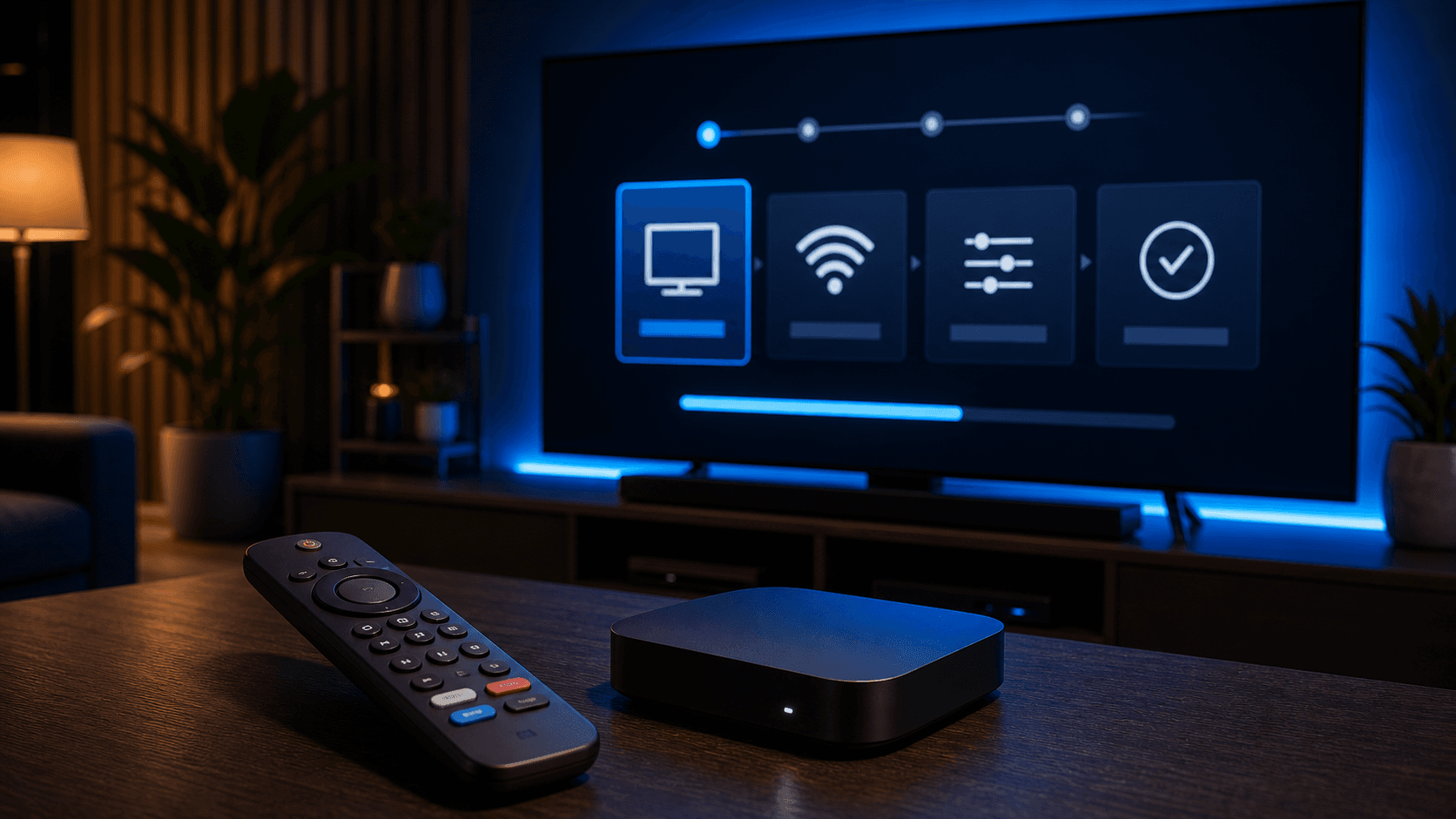
Once you know your device, the rest becomes simpler. You install the recommended app, enter the provided credentials, wait for the first sync, and then test the main features you care about most.
What affects IPTV performance the most
Many new users assume that performance depends only on the subscription itself, but the biggest factors are often more local. Internet stability, Wi-Fi strength, device age, app quality, and playback settings can all influence stream smoothness.
That does not mean the service does not matter. Server quality, support, and platform organization still matter a lot. But understanding the local side of the equation helps you troubleshoot more effectively instead of changing plans too quickly.
This is also why free trials are useful. They let you test the service in your real environment, on your real device, at the times you normally watch.
Why IPTV appeals to modern Canadian households
Many households want more flexibility than traditional viewing setups provide. IPTV fits that preference well because it works with common internet-connected devices and allows users to organize the experience around their own screens and routines.
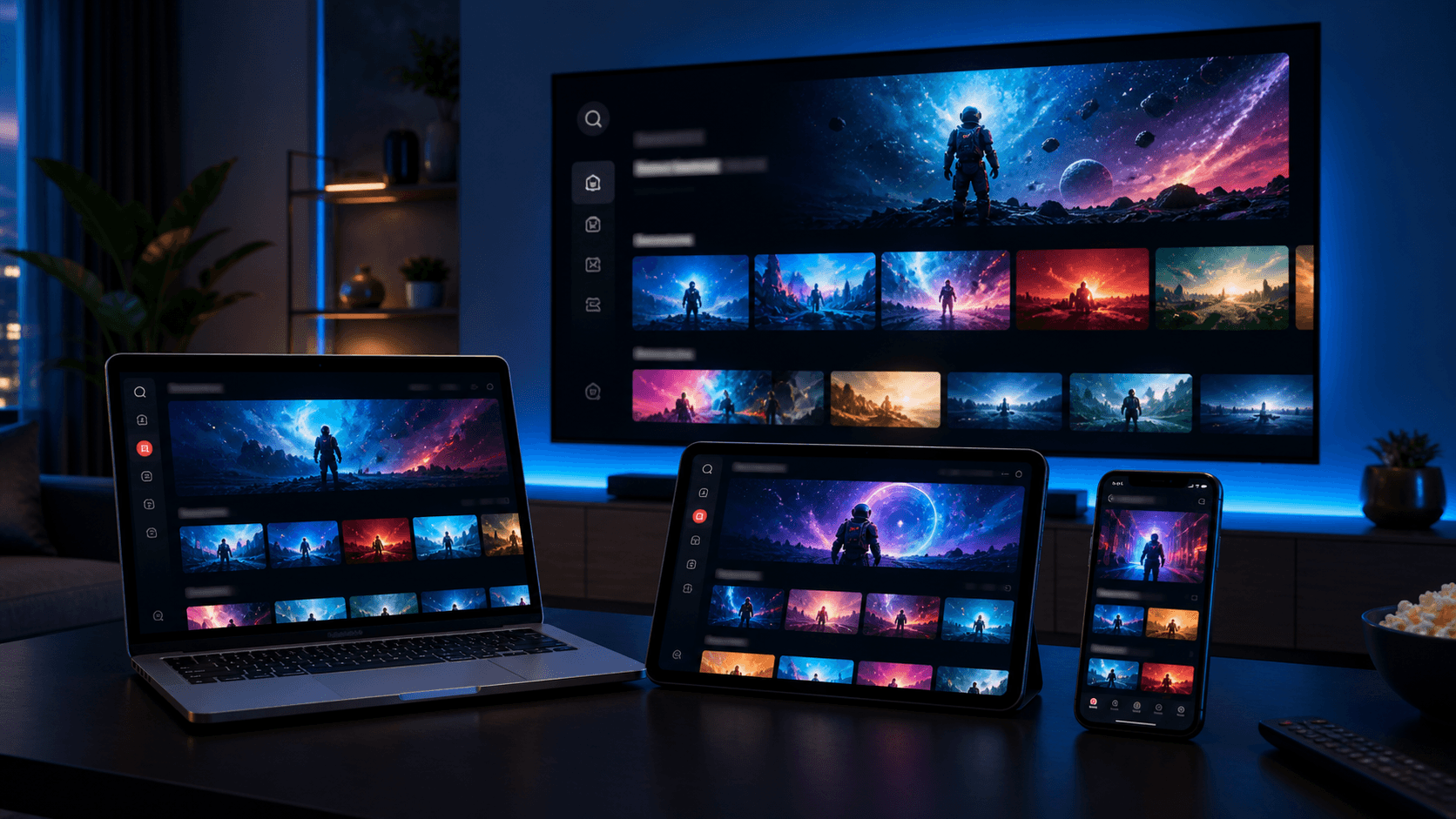
It also supports a more app-based lifestyle. Instead of thinking about television as one fixed living-room service, users can move between the main TV, a mobile device, and a secondary streaming setup while keeping a familiar account and interface style.
For people who value convenience, that combination of flexibility and guided setup is often the main appeal.
A realistic first-week IPTV plan for new users
One of the best ways to understand IPTV is to think about the first week of use. Day one is for setup: install the recommended app, enter the account details, and allow the library to finish loading. Day two and day three are for real testing: open live TV, browse on-demand sections, check the guide, and see how the app behaves during the hours you usually watch. By the end of the week, you should know whether the device, app, and support experience fit your routine.
This timeline matters because IPTV is not only a technology choice. It is a habit choice. A service that looks good in a screenshot still needs to feel easy when you are tired after work, when family members use the main TV, or when you want to switch quickly between categories. That lived experience is what separates a promising trial from a subscription that feels worth keeping.
The first week is also when people learn the value of support. Clear answers about guide loading, app settings, or device alternatives can save hours of frustration. That is why the best providers do more than activate an account. They help customers get comfortable with it.
If you are still unsure what IPTV means in practical terms, the answer is simple: it is a way of bringing live and on-demand viewing into the devices you already use, through apps that fit your lifestyle. Once that idea clicks, the rest of the setup process starts to make much more sense.
For Canadian users comparing options in 2026, the smartest move is to learn the basics, test the service in a real environment, and use the free trial, app guidance, and installation resources together. That combination turns IPTV from an abstract concept into an informed choice.
The first week also teaches you how much you value convenience. Some users discover that Smart TV simplicity matters most. Others realize they prefer the extra control of Android TV or the portability of a phone and tablet setup. Those discoveries are part of understanding how IPTV works for you personally.
Seen that way, IPTV is not only about internet delivery. It is about matching content access to your own devices, routines, and expectations. The more clearly you understand those pieces, the easier every buying and troubleshooting decision becomes.
That broader understanding is what helps new users move from curiosity to confidence. Once the setup stops feeling mysterious, IPTV becomes far easier to evaluate on its real strengths.
- Use the first day for setup, not final judgment
- Test during your actual viewing hours
- Check both live TV and on-demand navigation
- Measure support quality while questions are fresh
- Decide based on real usage, not screenshots alone
Final takeaways
Another reason this topic matters is that many buyers judge IPTV before they understand what part of the experience comes from the provider and what part comes from their own setup. Once you understand that apps, devices, internet quality, and support all play a role, you become much better at testing services fairly and troubleshooting them without frustration.
That knowledge also helps you spend smarter. Instead of choosing a plan based only on a headline promise, you start evaluating the whole experience: the free trial, the compatible app advice, the installation guide, and the way the service feels in your actual home. That is the practical meaning of understanding how IPTV works in Canada today.